
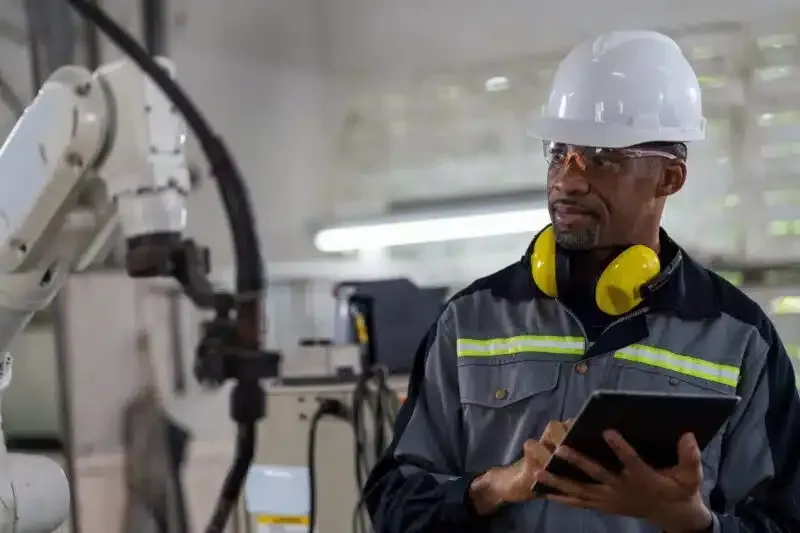
Preventive Maintenance in Manufacturing: Why It’s Critical & Best Software Solutions
Preventative Maintenance in Manufacturing
The Hidden Cost of Downtime
In manufacturing, a single piece of equipment going offline can create a ripple effect across the entire production line. Delayed shipments, missed quotas, and emergency repairs not only hurt profitability but also erode customer trust. Many of these breakdowns aren’t random—they’re preventable.
This is why preventive maintenance has become a top priority for modern manufacturing teams. Rather than waiting for problems to happen, preventive maintenance involves servicing machines at planned intervals to keep them running smoothly and avoid costly failures.
Why Manufacturers Are Moving Toward a Proactive Approach
Traditional maintenance methods—often reactive or based on gut feeling—lack consistency. Technicians might skip inspections, forget to replace parts, or respond only when something breaks. In contrast, preventive maintenance ensures that every task is scheduled, documented, and aligned with manufacturer guidelines.
However, as operations scale and equipment fleets grow, it becomes nearly impossible to manage all this manually. That’s where preventive maintenance software for manufacturing plays a critical role. These tools provide structure, visibility, and automation, making maintenance predictable, measurable, and repeatable.
What This Article Will Cover
This article will explain why preventive maintenance is essential in today’s manufacturing environment. You’ll learn how this strategy improves equipment uptime, extends asset life, enhances safety, and supports compliance.
What Is Preventive Maintenance in Manufacturing?
A Proactive Approach to Equipment Care
Preventive maintenance is the practice of regularly servicing equipment to prevent unplanned failures, rather than reacting to issues after they occur. It involves scheduled tasks such as inspections, lubrication, part replacements, calibration, and system checks—performed at set intervals based on time, usage, or condition.
This approach is especially important in manufacturing, where a single machine breakdown can disrupt the entire production process. Preventive maintenance helps maintain consistent output, reduce variability, and extend the useful life of machinery. By using preventive maintenance software for manufacturing, teams can automate task scheduling, receive alerts for upcoming service, and document all activity in a centralized system.
This removes guesswork and helps ensure critical equipment never misses a service window.
Key Differences from Reactive and Predictive Maintenance
It’s important to distinguish preventive maintenance from other common strategies:
Reactive maintenancehappens after a failure. It’s often more costly due to emergency repairs, production downtime, and potential damage to surrounding equipment.
Predictive maintenancerelies on real-time sensor data and condition monitoring to forecast failures before they happen. While highly effective, it often requires advanced systems and higher upfront investment.
Preventive maintenance falls in the middle—it’s more structured than reactive maintenance but doesn’t require the high-tech infrastructure of predictive models. The right tools provide an excellent balance of cost, efficiency, and reliability.
The Role of Software in Standardizing Preventive Maintenance
Manually managing hundreds of maintenance tasks, especially in facilities with multiple shifts and machines, can lead to missed steps and inconsistent execution.
That’s why many organizations turn to the top preventive maintenance software for factories to standardize processes and ensure nothing gets overlooked.
The software ensures accountability by assigning tasks to technicians, tracking completion, and maintaining a detailed history of service records. This kind of visibility and control is essential for manufacturers aiming to improve uptime and avoid unnecessary repairs.
Why Preventive Maintenance Is Critical for Manufacturers
Preventive maintenance isn’t just a maintenance strategy—it’s a business performance strategy. For manufacturers, avoiding unplanned downtime, improving asset reliability, and ensuring safety are all critical to staying competitive. Preventive maintenance helps accomplish these goals by keeping equipment in peak condition and production lines running without interruption.
By combining consistent maintenance practices with the right tools, such as preventive maintenance software for manufacturing like Thrive, teams can avoid costly surprises and maintain a steady flow of operations.
Minimizes Unplanned Downtime
Unplanned equipment failure is one of the most expensive problems in manufacturing. It leads to missed production targets, delayed orders, and strained resources. Preventive maintenance reduces this risk by addressing wear and tear before it escalates into a breakdown.
Scheduled servicing ensures that potential issues are caught early, giving teams time to respond without halting production.
Extends Equipment Lifespan
Machines that are regularly maintained last longer. Bearings are lubricated, filters are replaced, and parts are serviced before they fail. Over time, this routine attention prevents excess strain on machinery and delays the need for expensive replacements.
Using the top preventive maintenance software for factories makes it easier to stay on schedule and manage asset care at scale.
Improves Safety and Reduces Risk
Poorly maintained equipment increases the chance of injury and creates compliance concerns. Preventive maintenance helps ensure that safety systems function correctly and that hazardous failures, like hydraulic leaks or overheating, are avoided.
Documented inspections also support regulatory requirements and help facilities pass audits with ease.
Enhances Product Quality
Even minor equipment issues can cause defects in manufacturing. A misaligned part, fluctuating pressure, or delayed cycle time can all affect product consistency.
Preventive maintenance keeps equipment operating within spec, which helps maintain high-quality standards and reduce waste.
Boosts Overall Efficiency
Fewer breakdowns and better-maintained equipment lead to more stable production schedules. Teams spend less time troubleshooting issues and more time focusing on throughput and performance improvements. When preventive tasks are managed through software, execution becomes more consistent, making optimizing labor, materials, and machine use easier.
Benefits of Using Preventive Maintenance Software for Manufacturing
When supported by the right digital tools, preventive maintenance becomes far more effective and scalable. Manually managing dozens (or hundreds) of maintenance tasks leads to missed schedules, inconsistent execution, and costly downtime.
That’s why many manufacturers rely on preventive maintenance software to streamline the process and keep production running smoothly.
Here are the key benefits of using software to support your preventive maintenance program.
1. Streamlined Scheduling and Task Automation
Instead of relying on spreadsheets or memory, software enables automated routine maintenance scheduling based on calendar dates, machine run time, or sensor data. This helps ensure that no task is forgotten and that maintenance is performed at the right time—before breakdowns occur.
2. Improved Accountability and Transparency
With clear task assignments and digital work orders, technicians always know what to do and when. Supervisors gain visibility into task completion rates, overdue work, and technician performance—all in real time. This transparency helps maintain consistency across shifts and departments.
3. Centralized Equipment and Service History
All asset details—from model numbers to service logs and manuals—are stored in one place. This allows teams to review an asset’s maintenance history, track recurring issues, and make better repair-or-replace decisions. Centralized data also supports compliance and readiness.
4. Real-Time Alerts and Notifications
Preventive maintenance software can notify technicians and managers when tasks are due, overdue, or require urgent attention. These alerts reduce the risk of missed service windows and help keep operations running without interruption.
5. Data-Driven Insights and Reporting
Modern software tools offer built-in reporting dashboards that track KPIs like mean time between failures (MTBF), maintenance costs, and task compliance.
This information helps operations leaders optimize maintenance schedules and make informed decisions based on real performance trends.
6. Mobile Accessibility and On-the-Go Updates
Most platforms now include mobile apps or browser access, allowing technicians to view schedules, complete checklists, and log work from anywhere on the floor. This reduces paperwork, speeds up task execution, and ensures that records are accurate and up to date.
Why Thrive Stands Out
When evaluating the top preventive maintenance software for factories, Thrive offers the balance of power, usability, and real-time intelligence that modern manufacturing teams need. It’s built to scale with your operations and integrates seamlessly with your existing systems.
If you’re ready to reduce unplanned downtime and bring structure to your maintenance strategy, consider scheduling a free demo with Thrive’s one-stop shop floor solution.
How to Choose the Right Preventive Maintenance Tool
Not all software is created equal. Depending on production volume, asset complexity, team size, and compliance requirements, the best solution for one facility might not suit another.
Selecting the right preventive maintenance software for manufacturing starts with aligning the tool’s capabilities to your specific operational needs.
Here’s what to evaluate as you compare platforms.
Match Features to Maintenance Objectives
Begin by identifying your team’s top challenges. Are you struggling with scheduling consistency, asset visibility, or technician accountability?
Look for software that directly addresses those issues. For example:
If tracking asset history is a priority, prioritize robust equipment profiles and service logs.
If uptime is a concern, make sure the tool supports real-time alerts and escalation workflows.
If multiple facilities are involved, look for centralized control and multi-site reporting.
Prioritize Ease of Use and Adoption
Software only works if your team uses it. Choose a platform with a clean, user-friendly interface, especially for technicians on the shop floor. Mobile accessibility, simple navigation, and offline capabilities are essential for fast-paced environments.
The top preventive maintenance software for factories should reduce training time—not create additional barriers to implementation.
Consider Integration Capabilities
Your preventive maintenance system shouldn’t operate in isolation. The best tools integrate with ERP platforms, inventory systems, and production software to provide a full picture of plant health. Thrive, for example, offers seamless integration options that let manufacturers unify their maintenance, production, and operational workflows—so nothing is siloed.
Evaluate Scalability and Support
Whether you’re managing one plant or multiple facilities, your software should grow with your operation. Look for cloud-based platforms with flexible pricing, customizable workflows, and access controls that fit your team structure.
Also, evaluate vendor support. Responsive onboarding, technical assistance, and training resources make a big difference during rollout and beyond.
Test the System Before You Commit
Most platforms offer demos or limited trials—use them. Involve managers and floor-level users to ensure the software works for everyone. Don’t just evaluate features; assess the flow of real-world tasks and how quickly your team can complete them.
Thrive provides guided demos and implementation support, helping you assess whether it fits your processes before moving forward.
Implementation Tips for Success
Choosing the right preventive maintenance software for manufacturing is a major step, but implementing it correctly is what determines long-term success.
Even the most powerful platform can fall short if it’s poorly rolled out, underutilized, or disconnected from your existing processes. Here are practical tips to help you effectively launch your preventive maintenance program and drive real results.
Start with High-Value Assets
Begin by applying preventive maintenance to your most critical or failure-prone equipment. These assets often contribute directly to production output and pose the highest risk if they go offline. Focusing your initial rollout on a small group of machines allows your team to test the system, prove ROI, and fine-tune workflows before expanding across the plant.
Assign Clear Roles and Responsibilities
Define who is responsible for what to avoid confusion. Assign specific technicians to recurring tasks, supervisors to monitor compliance, and managers to oversee reporting and performance trends. Top preventive maintenance software for factories like Thrive simplifies this by enabling role-based access, task assignments, and automated notifications—all in one platform.
Use Manufacturer Guidelines as Your Foundation
Leverage OEM-recommended service intervals and inspection checklists when setting up your task schedules. These guidelines offer a solid starting point and help ensure your maintenance plan aligns with equipment design. Once your system is up and running, you can refine these schedules based on actual usage data and service history.
Train Your Team and Encourage Feedback!
No software rollout is complete without team buy-in. Provide hands-on training to your maintenance crew, and ensure they understand how to use the software and why it matters. Highlight the benefits, such as fewer breakdowns, easier documentation, and reduced stress during peak production. Create a feedback loop where technicians can suggest improvements to task flows, frequency, or documentation processes.
Monitor KPIs and Adjust Over Time
Use built-in reports to track task completion rates, mean time between failures (MTBF), and downtime trends. Look for patterns and continually adjust your maintenance plan based on actual performance. Thrive does a tremendous job at this.
Conclusion
Preventive maintenance is no longer a nice-to-have—it’s a competitive necessity. Manufacturers that actively manage equipment health experience fewer disruptions, lower repair costs, and higher production quality. However, to make this strategy sustainable, it needs structure, consistency, and real-time visibility.
That’s where the right preventive maintenance software for manufacturing comes in. It eliminates guesswork, automates scheduling, and empowers teams to act before small issues become costly failures. Whether you’re managing a single plant or coordinating multiple facilities, software transforms your maintenance program from reactive to reliable.
Platforms like Thrive give manufacturers the tools to scale preventive maintenance without the burden of spreadsheets, manual checklists, or missed service tasks. From mobile work orders to KPI tracking, Thrive delivers what top-performing factories need to stay ahead.
If you’re ready to reduce downtime, extend equipment life, and bring structure to your plant floor, schedule a personalized demo with Thrive today.
You’ll see exactly how modern maintenance management can drive performance, save money, and create a more efficient operation from the ground up.