Top Open Source Asset Management Tools Compared for Growing Teams
Evaluating an Asset Management Tool Open Source for Growing Teams
Choosing the right asset management tool, open source or proprietary, requires balancing cost, control, and deployment needs. An open-source platform can give engineering, maintenance, and IT teams direct access to underlying databases, source code customization, and internal network hosting while reducing recurring subscription costs.
Software compliance failures alone can cost organizations up to 30% of their annual software budget when licenses go unmonitored. At the same time, physical operations face constant friction when tools, laptops, and plant machinery go missing across shifts. Implementing structured asset lifecycle management bridges the gap between hardware tracking and digital asset monitoring.

When teams transition from disjointed spreadsheets to structured tracking, they gain direct control over:
Total Cost of Ownership: Eliminating recurring per-seat fees allows organizations to scale user counts freely across departments without budgetary penalties.
Audit Integrity: Open database architectures allow teams to conduct historical audit trails without vendor-imposed reporting restrictions.
Targeted Integrations: Direct REST API access and webhook support let developers link inventory events directly into operational hubs and equipment asset tracking workflows.
Why Choose an Asset Management Tool Open Source Over Proprietary Software
Proprietary asset management platforms often bundle high licensing costs with vendor lock-in, rigid data schemas, and opaque security updates. When your team selects an open-source solution, you gain:
No Vendor Lock-In: You own your data schemas, historical logs, and custom modules. If your hosting environment shifts from on-premises bare metal to private cloud containers, your entire database migrates intact.
Custom License Compliance: Tailor software reconciliation algorithms to match your actual operational contracts rather than generic commercial rules.
Data Privacy and Security: Self-hosting ensures proprietary operational diagrams, IP addresses, and asset serial numbers remain within your private firewall.
Community-Driven Patching: Transparent codebases maintained on public repositories benefit from continuous scrutiny by global developer communities.
Core Capabilities to Look for in an Asset Management Tool Open Source
Not all open-source asset management software serves the same operational purpose. While some focus strictly on IT infrastructure and software asset management (SAM), others target physical custody and equipment maintenance. When evaluating systems, prioritize these core features:
Automated Discovery and Mapping: Look for agentless network scanning capabilities that detect network devices, connected machinery, and active IP addresses without manual data entry.
QR and Barcode Custody Tracking: Physical handovers require quick verification. Tools supporting mobile-friendly QR generation streamline daily equipment checkouts.
Role-Based Access Control (RBAC): Restrict system access so technicians, plant managers, and external auditors see only the assets relevant to their operational roles.
License and Contract Alerts: Automated notifications prevent software expiration downtime and vendor audit penalties.
Modular Architecture: The flexibility to interface with an established equipment tracking system ensures operational continuity across physical sites.
Top Open Source Asset Management Software Solutions
To help your team identify the right software architecture, we have compared the top open-source tools across licensing, tech stack, and primary use cases.
Tool | Primary Asset Type | License | Technology Stack | Deployment | Best For |
|---|---|---|---|---|---|
GLPI | IT & Enterprise Assets | GPL-3.0+ | PHP, MariaDB/MySQL | On-Premises, Docker | Full ITIL service desk & license management |
NinjAsset | IT & Operational Equipment | Open Source | React, Node.js, FastAPI | Docker Compose | Custody receipts, QR tagging & AI-assisted docs |
Ghostfolio | Financial & Digital Portfolios | AGPL-3.0 | TypeScript, NestJS, Prisma | Docker, Self-Hosted | Privacy-first digital and financial asset tracking |
LibreFolio | Financial Portfolios | AGPL-3.0 | Python, Vue | Docker, Pipenv | Self-hosted multi-broker asset aggregation |
Fintrack | Multi-Asset & Tax Profiles | Open Source | Django, Next.js | Docker Compose | Multi-currency portfolio and tax reconciliation |
When scaling asset tracking across distributed operations, connecting your software to real-time asset tracking software frameworks and asset management preventive maintenance strategies ensures both digital records and physical machinery stay aligned.
IT Service Desk and Enterprise Asset Management Platforms
For enterprise teams managing thousands of hardware endpoints, network switches, and software licenses, comprehensive ITIL-aligned platforms provide unmatched depth.
GLPI (Gestionnaire Libre de Parc Informatique)
GLPI stands as one of the most mature open-source IT asset management and service desk platforms available. Backed by thousands of commits and a robust international community, GLPI consolidates hardware inventory, data center infrastructure management (DCIM), and software license auditing into a single web interface.
Key Capabilities: Comprehensive ITIL service desk ticketing, automated contract renewal alerts, network topology mapping, and an extensive plugin directory.
License Tracking: Maintains deep software auditing records to reconcile installed instances against purchased seats, preventing over-allocation penalties.
Best Suited For: Midsize to enterprise organizations requiring an integrated ticketing and asset database that can function alongside a traditional CMMS.
Modern IT Asset Management and Equipment Handover Tools
Modern teams often require lightweight, mobile-responsive tools designed around custody verification, field usability, and rapid containerized deployment.
NinjAsset
NinjAsset provides a modern web interface tailored for tracking hardware custody and physical lifecycle states across multiple operational sites. Built with a React and Node.js frontend/backend and supported by a Python FastAPI service, it introduces intelligent workflows to equipment tracking.
Verified Custody: Features magic-link handovers that produce printable, signed custody receipts for high-value equipment transfers.
AI-Assisted Documentation: Integrates an admin-only Retrieval-Augmented Generation (RAG) assistant running on LangChain and Qdrant to query asset technical manuals and API endpoints instantly.
Operational Tracking: Uses Leaflet site mapping, bulk QR generation, and automated data-quality alerts to ensure physical assets are never misplaced. Teams managing complex physical plants can pair these capabilities with dedicated industrial maintenance software.
Privacy-First Financial and Digital Asset Tracking Tools
Organizations and private teams managing digital holdings, liquid funds, and multi-broker investments require self-hosted tools that eliminate third-party telemetry.
Ghostfolio
Ghostfolio is an AGPL-3.0 licensed wealth and digital asset management platform built on NestJS, Angular, Prisma, and PostgreSQL. It delivers institutional-grade performance tracking, multi-account support, and static risk analysis while maintaining absolute privacy.
Data Sovereignty: All portfolio balances, transaction logs, and asset profiles remain stored inside your local Docker containers without third-party analytics.
RESTful API: Provides bearer-token authenticated endpoints to automate asset balance imports and transaction entries programmatically.
LibreFolio & Fintrack
Librefolio/LibreFolio | Gonzalez8/fintrack
LibreFolio: A modular, plugin-driven tracker supporting broker imports (BRIM), asset feeds, and automated foreign exchange (FX) conversion. Its AGPL-3.0 structure guarantees complete code accessibility.
Fintrack: Combines a Django backend with a Next.js frontend to monitor multi-currency portfolios, real estate holdings, and tax reporting frameworks (using FIFO, LIFO, and WAC cost-basis engines).
Best Practices for Implementing Open Source Asset Systems
Deploying an open-source asset management tool requires disciplined system administration to ensure system availability, data accuracy, and compliance readiness.
Use Containerized Deployment: Deploy services using Docker Compose or Kubernetes pods. Containerization isolates database engines (PostgreSQL, MariaDB), Redis caching queues, and web frontends, ensuring straightforward version upgrades.
Establish Automated Snapshot Routines: Asset databases require strict backup schedules. Implement automated database dumps to offsite, encrypted storage to prevent data loss during hardware failures.
Standardize Identification Formats: Ensure physical equipment, tools, and digital servers adhere to a unified naming schema. Generate durable QR code labels for physical items to streamline mobile check-in and check-out workflows.
Integrate Maintenance Schedules: Pair your inventory records with structured upkeep plans. Reviewing a preventive maintenance complete guide helps operations teams transition from reactive fixes to scheduled inspections.
Connect Work Order Pipelines: When equipment fails or requires calibration, ensure your asset records communicate directly with a structured maintenance work order system to track parts consumption and labor history.
Frequently Asked Questions About Open Source Asset Management
How do open source asset tools handle software license compliance?
Open-source IT asset tools monitor software compliance by pairing agentless discovery protocols with license management databases. The software scans local subnets to catalog active software installations and compares those counts against purchased license limits stored in the system. When installations exceed purchased thresholds or contract renewal dates approach, the system generates automated administrative alerts to prepare teams for vendor audits.
What are the main hosting and maintenance requirements for open source asset tools?
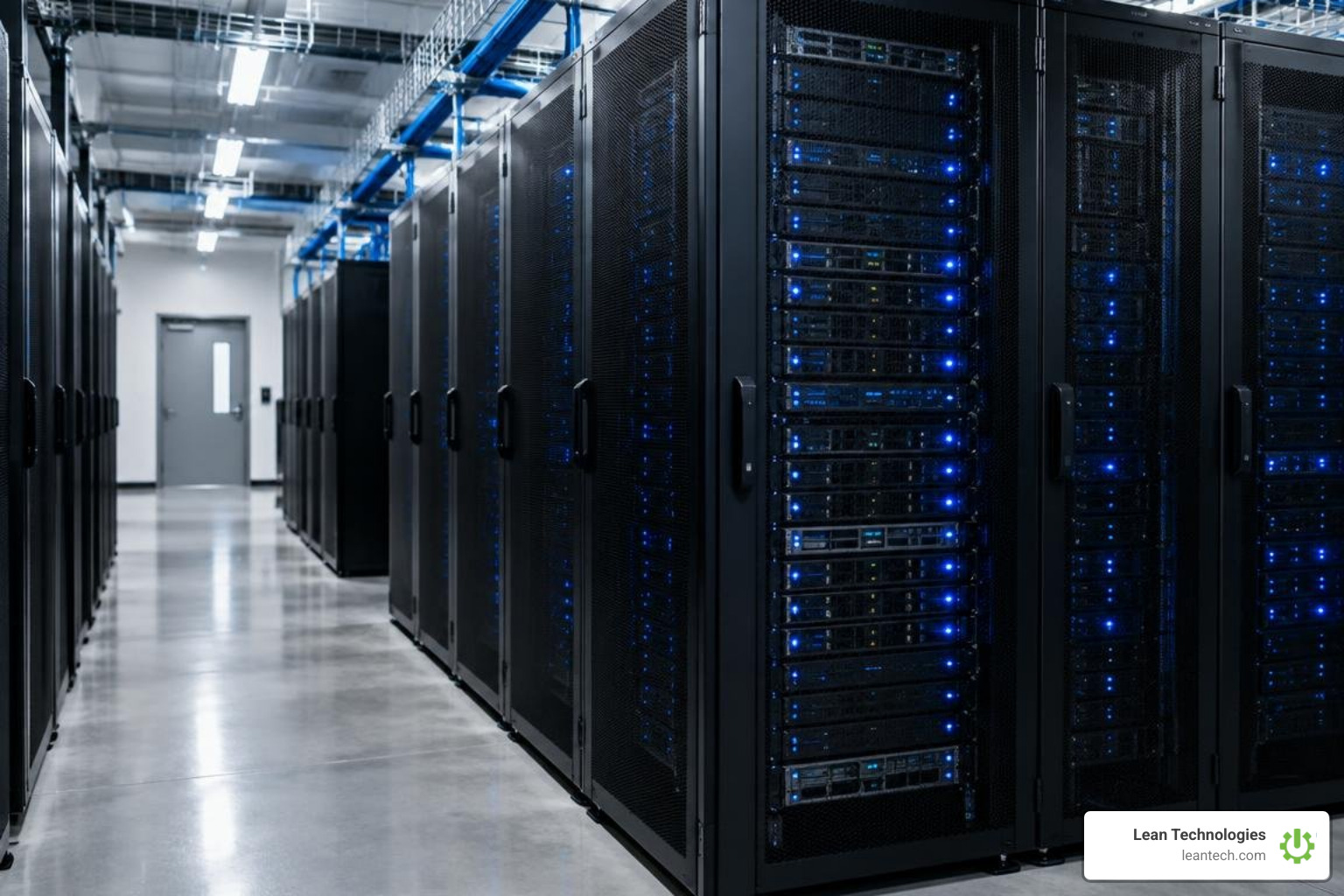
Most modern open-source asset platforms require a Linux-based host (or virtual machine) supporting Docker and Docker Compose. Typical requirements include 2 to 4 CPU cores, 4GB to 8GB of RAM, and persistent SSD storage for database volumes (such as PostgreSQL or MySQL/MariaDB). Maintenance involves applying regular container updates for security patches, monitoring queue workers (like Redis or Celery), and running daily database backups.
Can open source asset management tools integrate with existing shopfloor workflows?
Yes. Open-source asset management platforms provide open REST APIs and webhook listeners that enable seamless communication with external factory systems. Teams can trigger automated asset status updates when an operator scans a QR code, link equipment histories to maintenance ticketing queues, or push inventory data into shopfloor communication channels.
What to Do Next
Selecting the right asset management tool, open source or proprietary, depends on how much control your organization needs over operational data, custom workflows, and software licensing costs.
While open-source tools provide excellent databases for logging hardware serial numbers and tracking IT licenses, manufacturing shop floors require frontline tools designed specifically for day-to-day execution.
Lean Technologies provides Thrive, an all-in-one, customizable shopfloor digital toolbox built by manufacturing experts for small to midsize operations. Thrive digitizes lean work processes so operators, maintenance technicians, and supervisors can easily log issues, track corrective actions, and drive continuous improvement directly from tablets, mobile devices, or workstations.
Thrive is not an ERP or MES, and it does not replace your existing ERP or MES systems. Instead, Thrive organizes and drives actionable accountability from machine and operational data entered by your frontline team or imported from other systems. By capturing data at the source rather than relying on delayed paper logs and disconnected spreadsheets, Thrive delivers clear operational visibility across your plant.
Explore how our digital tools and program management software solutions empower your team to eliminate shopfloor waste and accelerate operational excellence.