Real-Time Asset Tracking Software and the Magic of Automated Downtime Data
The High Cost of "Where is it?"
Real-time asset tracking software is a digital system that monitors the location, status, and condition of physical assets continuously — giving operations teams live visibility instead of end-of-shift guesswork.
You can't manage what you can't see — and on most manufacturing shop floors, visibility is a problem hiding in plain sight.
Think about how much time your team actually spends looking for things. A missing IV pump. A forklift in the wrong zone. A tool that was checked out three weeks ago and never came back. Nurses in hospitals spend up to 60 minutes per shift just searching for equipment. On a busy production floor, that kind of friction doesn't just slow people down — it bleeds into downtime, missed targets, and reactive firefighting that never seems to stop.
The gap between knowing and not knowing where your assets are is exactly where real-time asset tracking software earns its keep. Manual logs, spreadsheets, and clipboards can only tell you what happened. Real-time systems tell you what's happening right now — so your team can act before a small problem becomes a line stoppage.
This article breaks down how these platforms work, what they cost, and how to choose the right one for a mid-sized plant with multiple locations and no appetite for a year-long IT project.
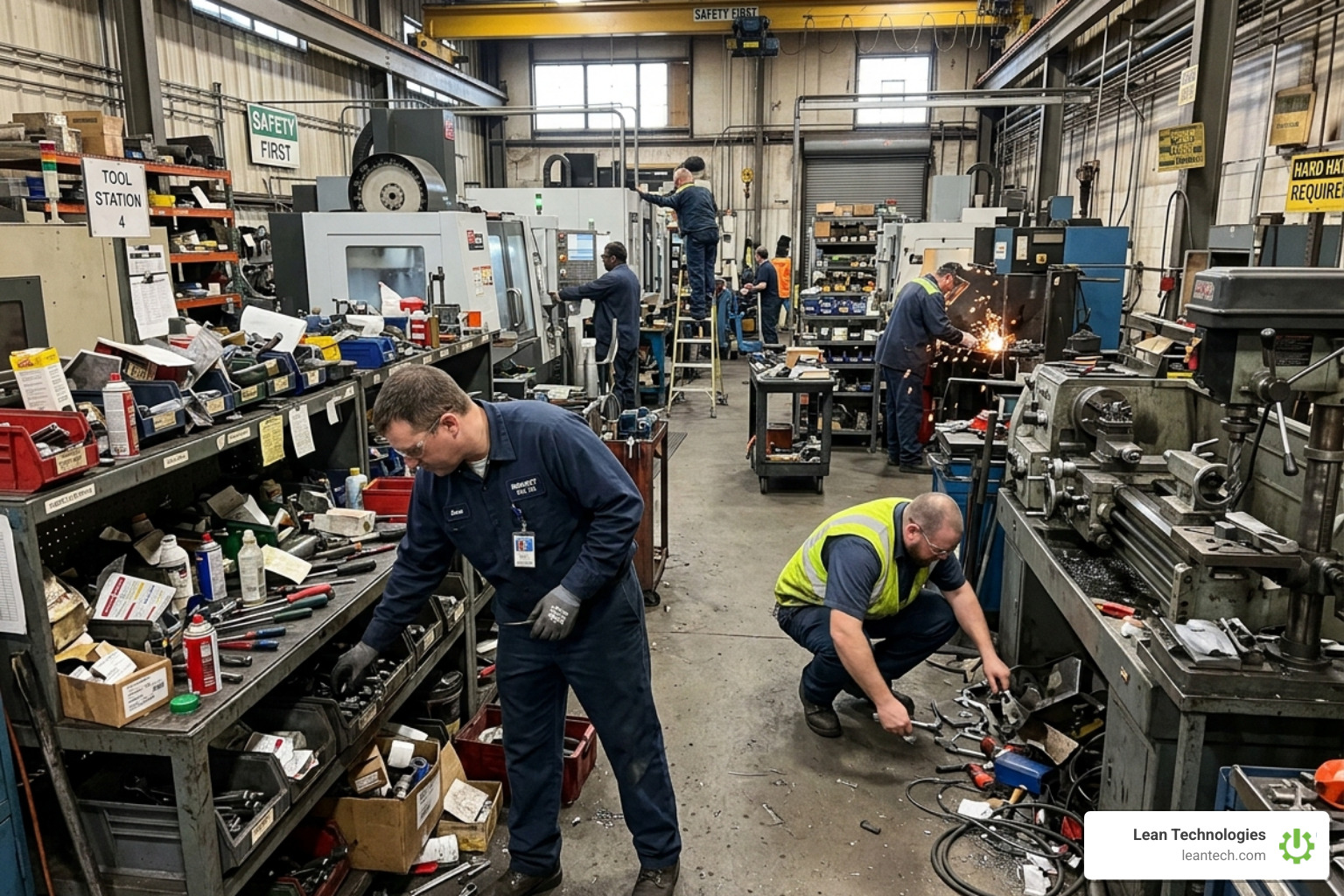
In April 2026, the cost of "looking for stuff" is higher than it’s ever been. We aren't just talking about the price of a lost drill; we're talking about the cumulative cost of labor, missed deadlines, and the erosion of operational integrity. When an operator spends 20 minutes hunting for a calibrated torque wrench, the line doesn't just slow down—it often stops.
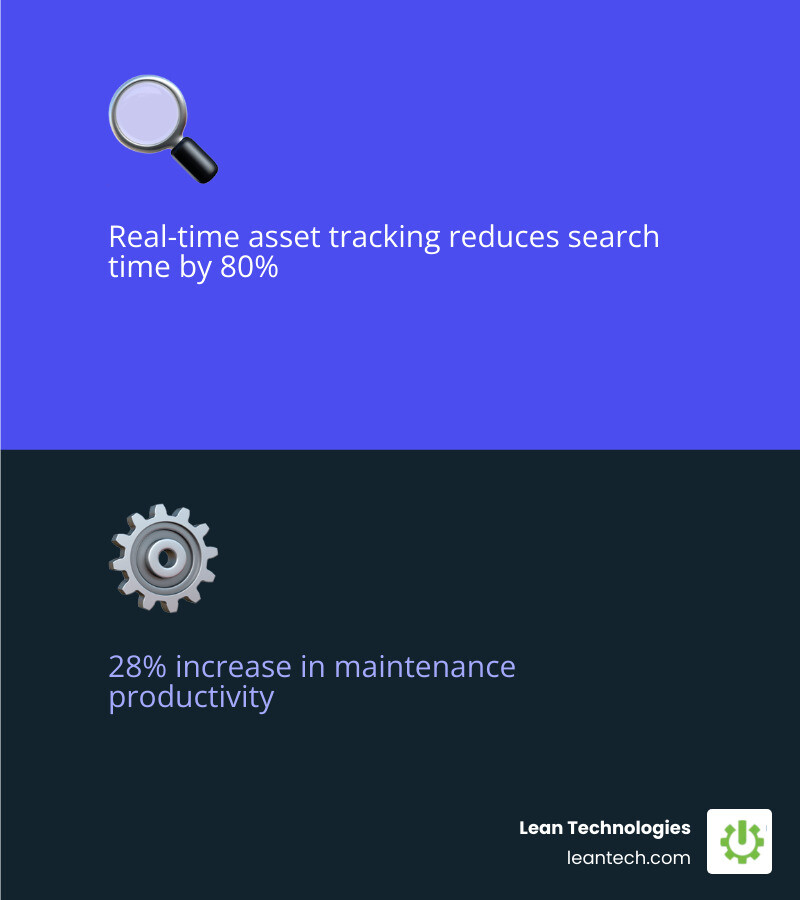
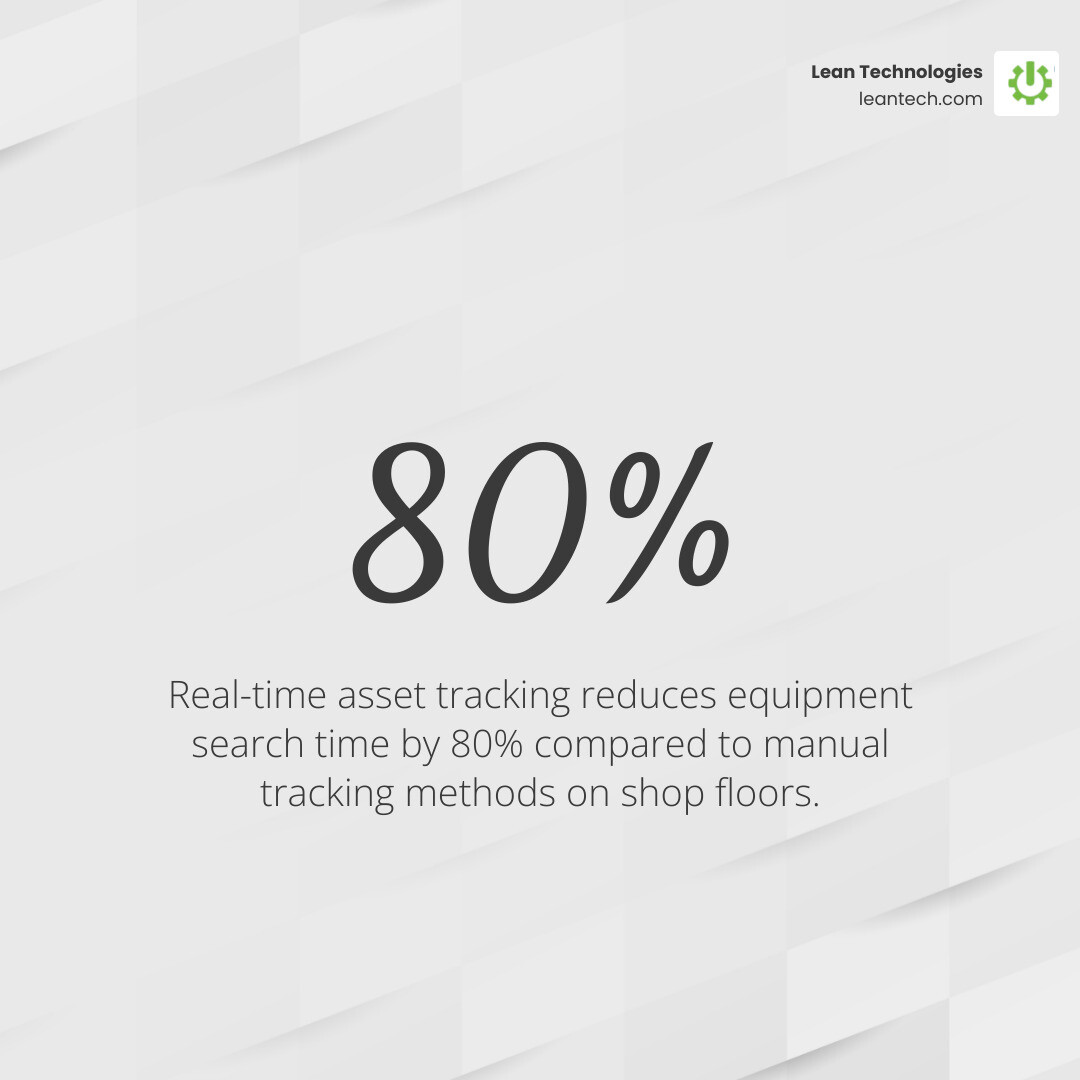
Manual tracking is resource-intensive and inherently prone to error. If your tracking system relies on a human remembering to write a location on a whiteboard, you don't have a system; you have a wish list. Statistics show that implementing real-time indoor positioning can reduce search time by up to 80% and improve workflow efficiency by 30% across large facilities.
When you lose visibility, you lose control. High-value assets like forklifts, specialized dies, and testing equipment become "ghost assets"—items you know you own but can't actually find when the production schedule demands them. Real-time asset tracking software eliminates this chaos by providing a live pulse of your entire operation.
Defining Real-Time Asset Tracking Software
At its core, real-time asset tracking software is the difference between a historical record and a live map. Traditional asset management is reactive; it tells you where an asset was when it was last scanned. Real-time tracking uses technologies like Bluetooth Low Energy (BLE), Ultra-wideband (UWB), and Global Positioning System (GPS) to provide a continuous stream of data.
This creates a "single source of truth." Instead of three different departments having three different Excel sheets, everyone from the maintenance manager to the floor supervisor looks at the same live data. This is essential for effective Equipment Asset Tracking and Workflow Tracking. By digitizing these logs, you move from "real-late" data entry to automated, instant updates.
Choosing the Right Real-Time Asset Tracking Software
For a mid-sized company with multiple locations, the "best" software isn't always the one with the most bells and whistles. It's the one that scales without breaking your IT budget. You need a solution that:
Supports Multi-Location: Can you see assets in the Ohio plant and the Texas warehouse on the same dashboard?
Integrates with ERPs: It shouldn't replace your ERP; it should fill the "visibility gaps" the ERP misses.
Is User-Friendly: If the UI is too complex, operators will go back to paper.
Automates Oversight: You want the data without the "big brother" feel - focusing on process efficiency rather than policing people.
The Digital Backbone of Modern Tracking
The era of the heavy, desktop-only software is over. Modern real-time asset tracking software is mobile-first. Operators should be able to scan a QR code or check a tablet while standing next to the machine, not after walking back to an office.
This digital backbone is powered by API connectivity, allowing the tracking software to "talk" to your other systems. Whether it’s GPS-based management for your external trailers or advanced mapping for supply chain visibility, the goal is to drive action from data.
Data Integrity in Real-Time Asset Tracking Software
Data is only useful if it’s accurate. Manual entry is the enemy of integrity. When data is captured at the source—via a mobile device or an IoT sensor—it is timestamped and logged instantly. This reduces human error and prevents the "Friday afternoon scramble" where workers try to remember what they did on Tuesday to fill out their logs.
To achieve this, your shop floor needs the right infrastructure. This doesn't always mean a massive hardware overhaul. Modern solutions can often leverage existing wireless network setups as a gateway for IoT tags, meaning you can start tracking without drilling holes for new sensors.
Key Features of High-Performance Tracking Solutions
What should you actually look for in a feature list?
Digital Geofencing: Create virtual boundaries. If a forklift leaves the warehouse or a high-value tool enters a "restricted" zone, you get an instant alert. Geofencing-enabled systems have been shown to reduce location-based incidents by up to 35%.
Historical Tracking: It’s not just where it is now, but where it’s been. This helps audit workflows and identify bottlenecks. Historical tracking can reduce investigation time by up to 50%.
Visual Shop Floor Maps: A 2D or 3D map of your facility makes locating equipment intuitive.
Task Integration: Linking assets to a Project Tracking system or a Kanban Board Tool ensures that the right tools are available for the right jobs.
Real-Time Asset Tracking Software Dashboards
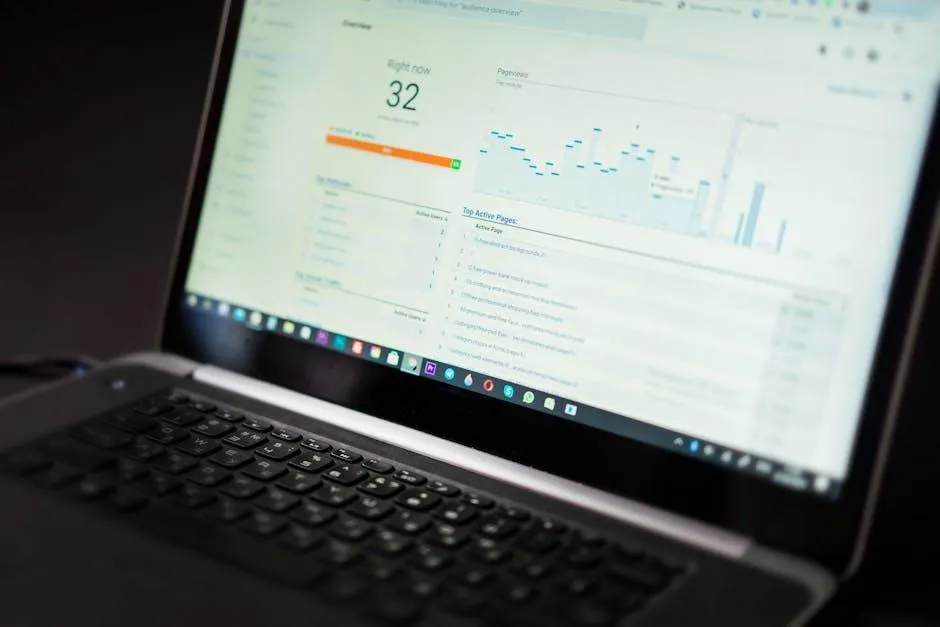
The dashboard is your "command center." It provides situational awareness at a glance. High-performance dashboards offer:
Live Telemetry: See the battery life, temperature, or movement status of equipment.
Custom KPIs: Monitor asset utilization and idle time. Advanced tracking systems can boost productivity by up to 22% by reducing idle time.
Risk Detection: Automated alerts flag anomalies—like a machine running hot or an asset moving after operational hours—before the line stops.
Industry Benefits and Real-World ROI
The ROI of real-time asset tracking software isn't just a "nice to have"—it’s a bottom-line booster. Maintenance productivity can increase by 28%, while inventory maintenance and repair costs often drop by 18% once you have complete visibility.
By integrating tracking with your cmms, you can move toward Planned Maintenance. Instead of fixing things when they break, you use actual usage data to schedule service. This prevents "ghost assets" from clogging up your books and ensures your Equipment Asset Tracking is always current.
The ROI of Real-Time Asset Tracking Software
Consider the impact of these numbers:
Search Time: Cut by up to 90% in complex facilities.
Asset Spend: Companies using digital tracking report an average 41% reduction in asset spend because they stop buying replacements for things they already own but can't find.
Admin Time: Digital systems have been shown to reduce asset tracking time from several hours a week to just minutes by automating data capture.
Metric Manual Paper Tracking Real-Time Digital Tracking Search Time 30-60 mins/shift < 2 mins/shift Data Accuracy 60-70% (Human error) 99% (Automated/Timestamped) Asset Utilization Low (Idle equipment) High (Usage-based allocation) Compliance Hard to audit Instant audit trails
Implementation: From Onboarding to Full Visibility
You don't go from zero to "Smart Factory" overnight. The implementation of real-time asset tracking software usually follows a structured path:
Digitize Asset Lists: Move your spreadsheets into a central digital repository.
Tagging: Apply BLE tags, QR codes, or RFID to physical assets.
Define Zones: Set up your digital geofences and shop floor maps.
Integrate: Connect to existing ERP or maintenance systems via API.
Train: Ensure operators know how to use the mobile apps for Parts Management.
The goal is to build a culture of data ownership. When the team sees that the software actually makes their jobs easier—by eliminating the "hunt" for tools—adoption happens naturally.
Overcoming Challenges in Real-Time Asset Tracking Software
No rollout is without its hurdles. Common challenges include:
Complex Environments: Metal racks and concrete walls can interfere with some signals. Choosing the right tech (like UWB for high precision or BLE for cost-effectiveness) is key.
User Adoption: If the software feels like a chore, people won't use it. Focus on mobile-first, easy-scanning solutions.
Interoperability: Ensure your new software can talk to your old systems. Using open platforms with robust APIs prevents data silos.
Frequently Asked Questions about Real-Time Asset Tracking
How does real-time tracking reduce equipment downtime?
By providing instant alerts and historical data, maintenance teams can identify patterns of failure. If a machine's telemetry shows increased vibration or if a tool is frequently "lost" right before a scheduled PM, you can address the root cause. This moves your team from reactive "firefighting" to proactive maintenance.
Can this software integrate with our existing ERP?
Yes. High-quality real-time asset tracking software is designed to act as a flexible "toolbox" that sits alongside your ERP. While the ERP handles the financial and high-level planning, the tracking software fills the visibility gaps on the shop floor where the actual work happens.
How long does it take to see an ROI?
Most plants see a reduction in search time and improved asset availability within the first 30 to 60 days. For example, many facilities recover several hours of labor per week almost immediately after implementing a digital tracking solution.
What is the difference between indoor and outdoor tracking accuracy?
Outdoor tracking typically relies on GPS, which is accurate to within a few meters globally. Indoor tracking uses technologies like BLE (accurate to 1-3 meters) or UWB (accurate to 10-30 cm) because GPS signals often can't penetrate factory roofs.
Is it expensive to maintain?
Modern cloud-based systems often use per-asset pricing or subscription models that eliminate large upfront server costs. Many tracking devices have long battery lives (up to several years), minimizing the maintenance burden.
Stop Managing Through Wishful Thinking
If your data is captured on paper and entered into Excel at the end of the shift, it’s already too late to make a difference. Real-time beats real-late every single time.
Thrive by Lean Technologies is built for the reality of the shop floor. We don't just "track" things; we help you digitize lean work processes so your team can actually close the loop on problems. Whether you're managing Parts Management or complex maintenance schedules, visibility is the first step toward efficiency.
Stop managing your shop floor through spreadsheets and wishful thinking and start using real-time asset tracking software to drive actual continuous improvement. Let your team run lean—with real-time visibility and fewer workarounds. Want faster problem-solving? It starts with knowing exactly where your assets are.